
Latest Updates BLOGS
Linyi Jinyong Kiln Co., Ltd. publishes articles on lime kiln design, environmental protection, equipment, and construction
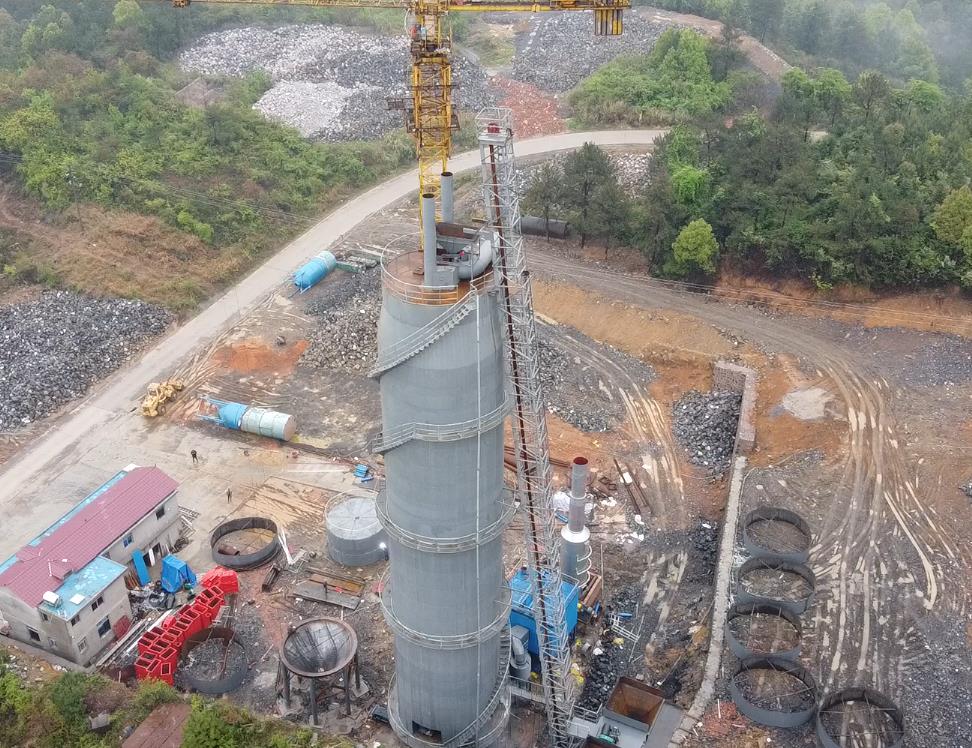
What fuel does the lime kiln use
The fuel selection of lime shaft kiln directly determines the calcination efficiency, lime quality, and operational stability. Currently, the most commonly used solid fuels in production are anthracite and coking coal, which have strong adaptability.
Read full story →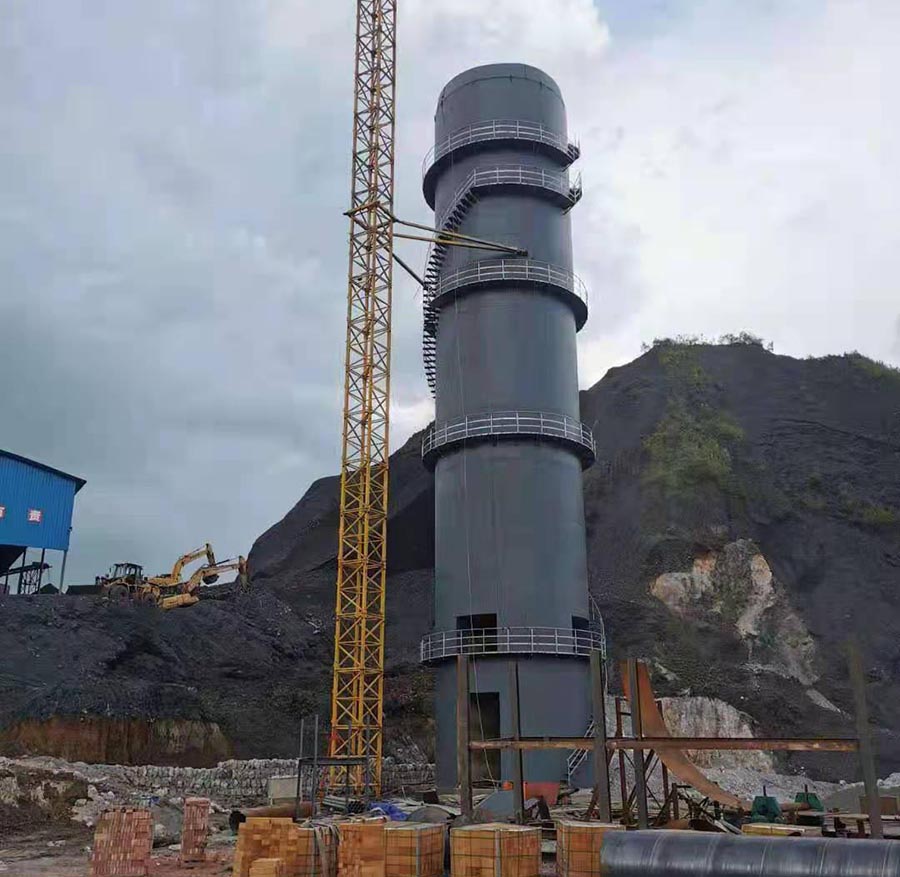
Main technical indicators of daily production of 100 tons of lime shaft kiln
The daily production of 100 tons of lime shaft kiln is a core equipment for small and medium-sized intelligent calcination of fossil limestone
Read full story →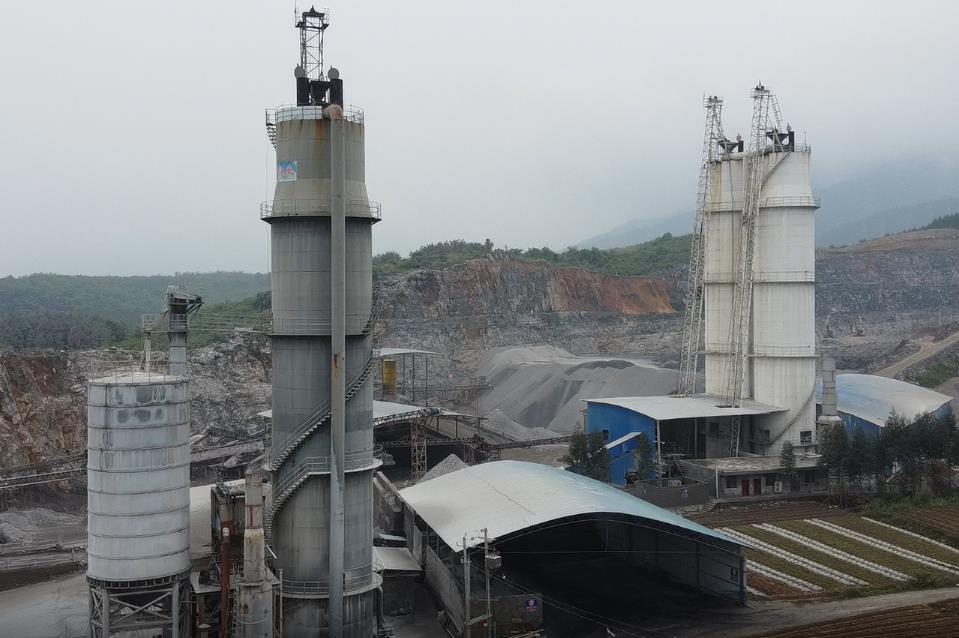
Light burned dolomite is produced using a lime vertical kiln, which saves production costs
In the production of light burned dolomite, the choice of kiln type directly determines energy consumption and production costs, and the lime vertical kiln relies on the structural advantage of countercurrent heat exchange.
Read full story →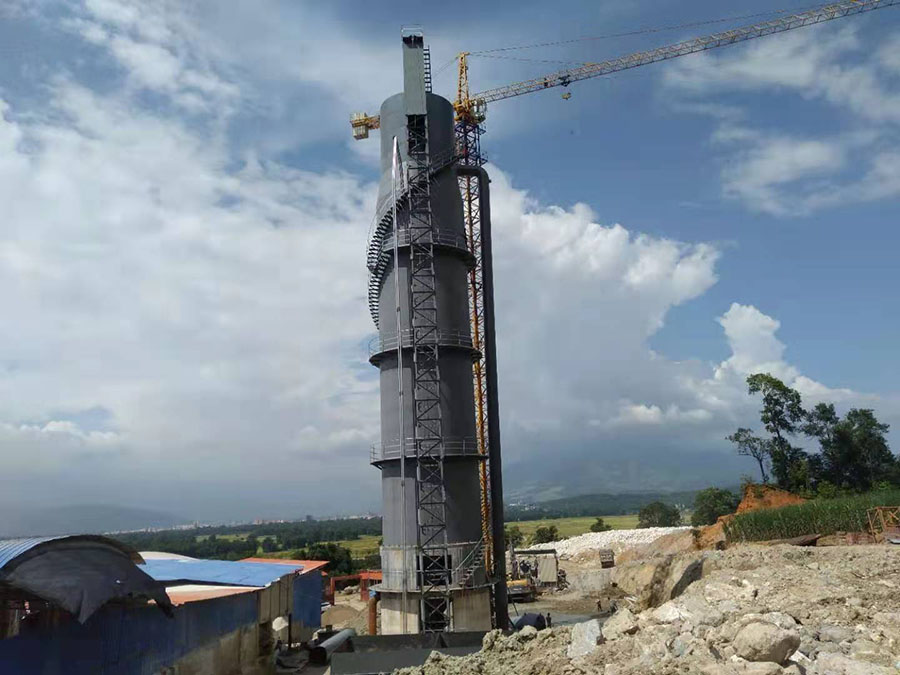
Key maintenance points for long-term stable operation of industrial lime kilns
The long-term stable operation of industrial lime kilns is the core to ensure production efficiency, reduce energy consumption and equipment failure rate, and daily refined maintenance is of utmost importance.
Read full story →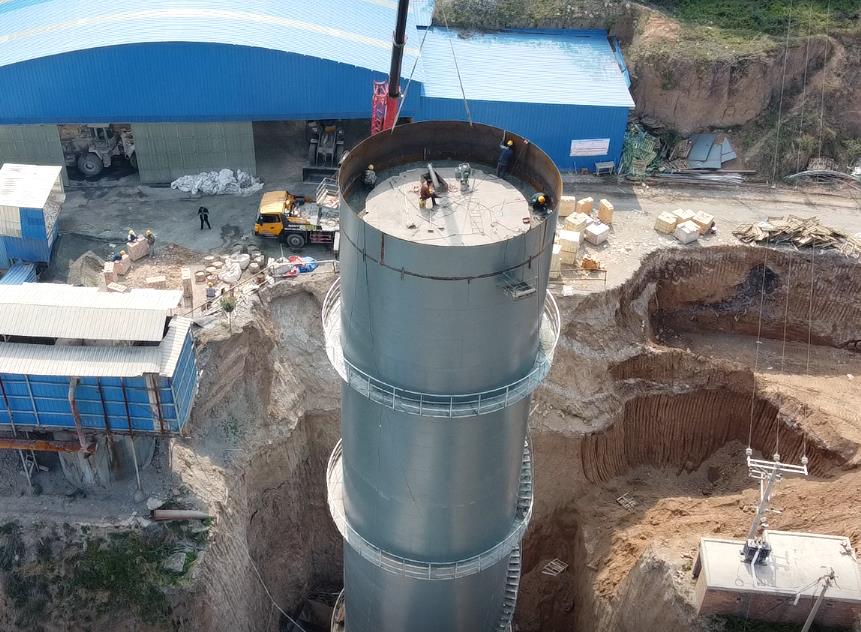
List of supporting equipment for lime kiln: complete configuration scheme from material distributor to ash discharge machine
The complete list of supporting equipment for the lime kiln, from the distributor to the ash discharge machine, is the core prerequisite for ensuring stable, low consumption, and compliant calcination of active lime.
Read full story →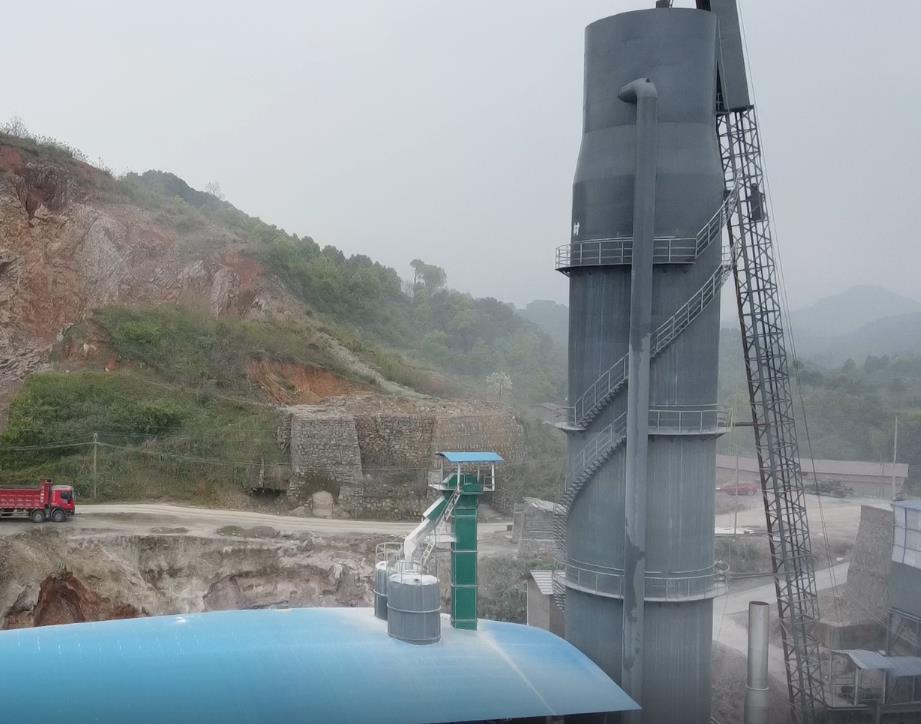
The principle of continuous production achieved by mechanical lime vertical kiln
The continuous production of mechanical lime shaft kiln relies on the reverse movement of materials and airflow. The kiln body is divided into three stages from top to bottom: preheating, calcination, and cooling
Read full story →
What precautions should be taken when building lime plants in Africa
When building lime plants in Africa, long-term operational stability should be taken into account, taking into account the characteristics of local power fluctuations and long supply cycles for accessories
Read full story →
Complete Guide to Choosing the Right Lime Kiln for Your Production Capacity
Choosing the appropriate lime kiln is the foundation for stable, efficient, and low-cost production of lime.
Read full story →
How much land is needed for the construction of mechanical fossil ash vertical kilns
The mechanical fossil ash vertical kiln adopts an integrated and compact equipment architecture, which greatly improves space utilization compared to traditional lime calcination equipment.
Read full story →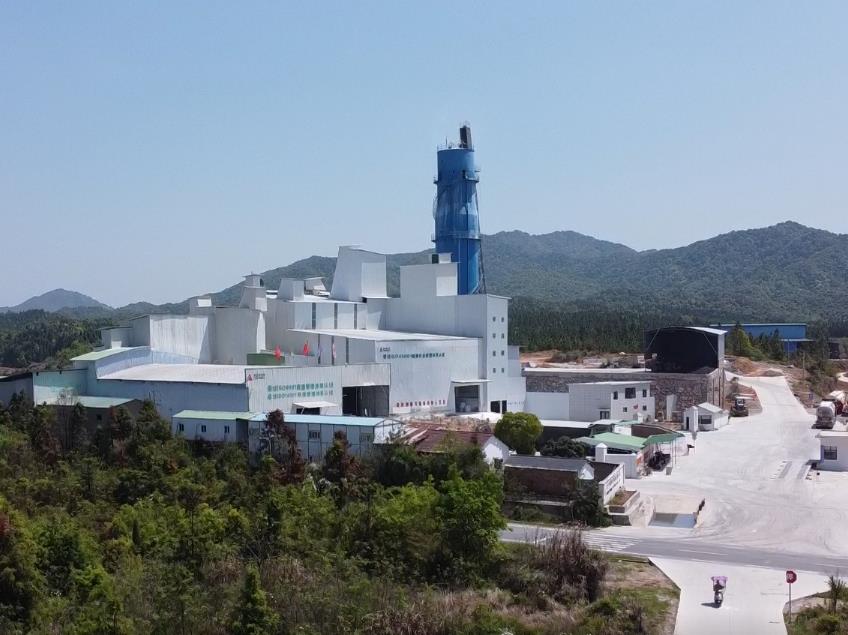
Mechanized Vertical Lime Kiln VS Traditional Earth Kiln: Full Comparison for Vietnam Operators
Ideal comparison guide for Vietnam lime plant operators! Check the differences between mechanized vertical lime kiln and traditional earth kiln in production efficiency, product quality, environmental compliance and operating cost. Upgrade your quicklime
Read full story →
Construction precautions for lime shaft kiln
The construction of lime shaft kiln involves multiple interdisciplinary fields such as civil engineering, fire resistance, and mechanical and electrical engineering, and the entire construction process needs to be carefully controlled.
Read full story →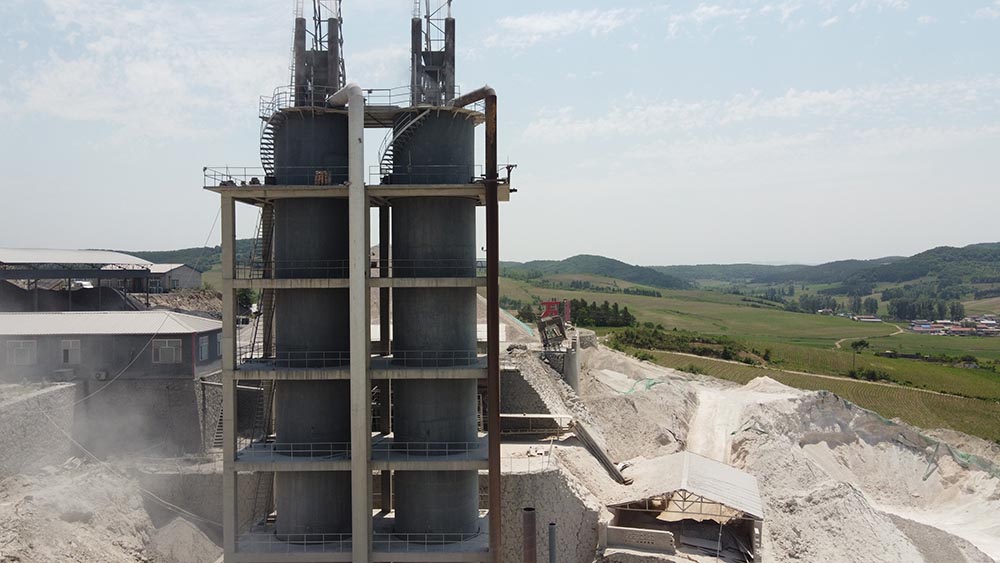
What are the common problems with the new mechanical lime shaft kiln
The automation of the new mechanical lime shaft kiln often leads to typical problems such as nodulation, partial burning, and offset of the calcination zone, resulting in a decline in the quality of finished products and disorder of production conditions
Read full story →