
The fuel selection of lime shaft kiln directly determines the calcination efficiency, lime quality, and operational stability. Currently, the most commonly used solid fuels in production are anthracite and coking coal, which have strong adaptability.
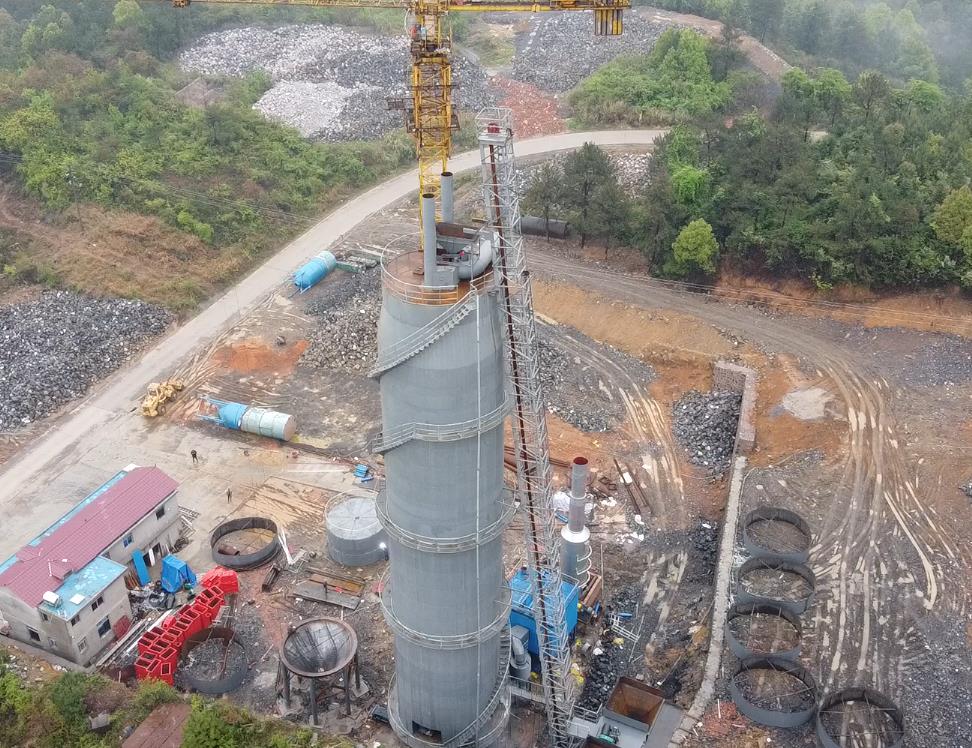
High quality smokeless coal is the preferred choice for ordinary mixed firing shaft kilns, requiring a minimum calorific value of 5500 kcal/kg, a dry ash free volatile matter control of 5% -10%, and ash content below 15%. It burns with a short and concentrated flame, forming a clear and stable calcination zone inside the kiln, allowing the stone materials in the central area of the kiln to be fully heated, avoiding problems such as edge overburning and internal core growth, and ensuring stable and up to standard lime activity.
Coking coal has a high fixed carbon content and strong combustion sustainability. When mixed with anthracite in proportion, it can further improve thermal stability and adapt to mechanized shaft kilns with a daily output of over 100 tons, achieving continuous and stable production.
With the upgrading of environmental protection requirements, gas fuels such as natural gas and blast furnace gas are gradually being applied. However, these fuels have strict requirements for kiln structure and are only suitable for specially designed gas fired kilns such as double chamber kilns. Ordinary vertical kilns can directly switch to burning gas, which can easily lead to insufficient heat penetration and uneven calcination, resulting in a decrease in both production and quality.
Anthracite and coking coal are still the most widely used and reliable mainstream fuels in lime kilns due to their stable calorific value, mature adaptation processes, and controllable comprehensive costs.
